
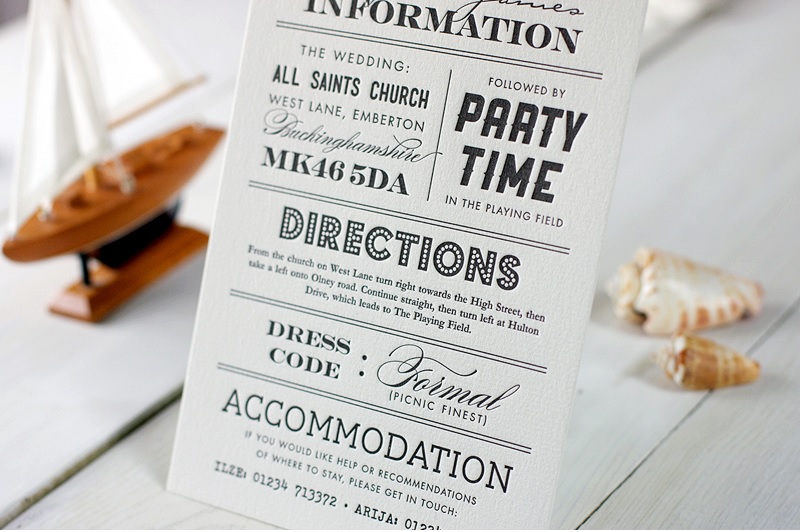

An invitation is much more than a simple request for attendance. It is the opening note of your event, setting the tone, style, and expectations long before your guests ever walk through the door. Whether you are planning a formal wedding, an exclusive corporate gala, or an intimate milestone anniversary, the invitation serves as a prelude to the experience you are designing.
However, even the most visually stunning stationery falls completely flat if it fails to perform its primary function: clear communication. A truly beautiful invitation strikes a delicate balance between breathtaking aesthetics and uncompromising utility. When guests open that envelope or click that digital link, they should feel a surge of anticipation, followed immediately by total clarity regarding what is expected of them. To ensure your event begins flawlessly, there are several foundational details that must be woven into your invitation suite.
The Foundational Elements of Event Communication
At its core, an invitation must answer the fundamental questions of any gathering. While this sounds incredibly basic, missing even one of these elements can lead to a cascade of confusion for your guests and endless text messages for the host.
Who is Hosting and Who is Invited
The opening lines of your invitation should clearly state who is extending the invitation. For formal events like weddings, this often involves complex family dynamics, but the principle remains the same. Whether it is a corporate board of directors, a set of parents, or the couple themselves, the hosts must be named prominently.
Equally important is indicating exactly who is being invited. This begins on the envelope or the digital address line. Using precise language such as “Mr. and Mrs. Davis” rather than “The Davis Family” subtly but firmly communicates that the invitation does not extend to the entire household.
The Purpose of the Gathering
Guests need to know exactly what they are celebrating. A retirement dinner carries a very different energy than a surprise birthday party or a charity auction. The nature of the occasion dictates how guests will prepare, what they will bring, and the mindset they will adopt for the evening. Be specific about the milestone, the cause, or the celebration at the heart of the event.
Time and Location: Leaving No Room for Ambiguity
Providing the date and time seems intuitive, but precision is key to a smooth event flow.
Mastering the Timeline
Spell out the day of the week, the exact date, and the year. For formal invitations, it is traditional to spell out all numbers, including the year and the time. It is also highly recommended to clarify the sequence of events if the gathering is multifaceted. For example, explicitly stating “Ceremony begins at four o’clock, reception to follow” prevents guests from arriving late to the most important part of the day.
Navigating the Venue
Providing the name of the venue is only the first step. You must include the full physical address, particularly if the event space is tucked away or shares a name with other local businesses. If your venue is a sprawling resort or a massive corporate campus, specify the exact ballroom, garden, or building number. For remote locations, or places where GPS is notoriously unreliable, consider including a small, elegantly designed details card with written driving directions and parking instructions. Knowing whether there is a complimentary valet or a cash-only parking garage dramatically improves the guest arrival experience.
The RSVP Request: Securing Your Headcount
The French phrase “répondez s’il vous plaît” remains the standard for requesting a reply, but the mechanics of the RSVP have evolved. An accurate headcount is the lifeblood of event planning; it dictates catering costs, seating arrangements, and venue capacity.
To encourage timely responses, always provide a firm, unmissable RSVP deadline. A good rule of thumb is to set this deadline three to four weeks before the event, giving you ample time to finalize details with your vendors.
Furthermore, you must make responding as frictionless as possible. If you are sending physical response cards, ensure they are pre-stamped and pre-addressed. If you are utilizing an event website, clearly print the URL and any necessary passwords. Offering a digital RSVP option, even for traditional paper invitations, has become widely accepted and significantly increases the speed of guest replies.
Dress Code Directives: Saving Guests from Wardrobe Anxiety
One of the most common mistakes hosts make is assuming the dress code is implied by the venue or the time of day. Ambiguity regarding attire does not give guests freedom; it gives them anxiety. No one wants to be the person who shows up to a cocktail party in a formal gown, nor do they want to arrive at a black-tie gala in a linen suit.
Be direct and use universally understood terminology. Phrases like Black Tie, Formal, Cocktail Attire, or Smart Casual provide a clear framework. If your event has a highly specific theme, provide a brief explanation on a supplementary details card or your event website.
Additionally, if your event involves challenging terrain, mention it. A polite note stating, “The ceremony will take place on the lawn, please choose your footwear accordingly,” will save your guests from ruining their favorite heels or twisting an ankle on cobblestones.
Establishing Boundaries: Plus Ones and Adult-Only Policies
Handling plus ones and children requires grace and clarity. The invitation is the most effective tool for managing these expectations without awkward verbal confrontations.
If a guest is allowed to bring a date, the invitation should explicitly say “and Guest” on the envelope. If the invitation is strictly limited to the named individual, simply omit that phrase.
Navigating adult-only events can be a delicate matter. While it is considered poor etiquette to print “No Children” directly on a formal wedding invitation, you can communicate this clearly on an enclosed details card or an event website with phrasing like, “While we love your little ones, our reception will be an adult-only celebration.” Combined with precise envelope addressing, this ensures your guest list remains exactly as you planned.
Culinary Considerations and Dietary Accommodations
In the modern landscape of event hosting, acknowledging dietary restrictions is no longer a luxury; it is a baseline expectation of good hospitality.
Your RSVP card or digital response form should include a designated space for guests to note any food allergies or specific dietary requirements, such as vegan, gluten-free, or kosher needs. Gathering this information upfront prevents kitchen emergencies on the night of the event and ensures that every guest feels cared for and comfortable. If you are offering a choice of entrees, the meal selection must also be clearly listed alongside the RSVP request.
Travel, Accommodations, and Event Websites
For destination events or gatherings expecting a large number of out-of-town attendees, a single invitation card cannot hold all the necessary logistics. This is where an enclosed details card or a dedicated event website becomes essential.
Provide information regarding hotel room blocks, special discount codes, and the distance from major airports. If you are providing a shuttle service between the hotel and the venue, outline the departure schedule. Because travel information can be incredibly dense, the most elegant solution is often to print a simple URL on the invitation suite, directing guests to a digital hub where they can explore itineraries, maps, and travel recommendations at their own pace.
The Role of Design in Communication
Finally, the physical presentation of the information is just as crucial as the words themselves. The typography, layout, and contrast must serve the reader.
An intricate, looping calligraphy font might look incredibly romantic, but if your guests cannot decipher the address or the start time, the design has failed. Reserve highly decorative fonts for names and major headers, and utilize clean, legible serif or sans-serif fonts for the critical details. Ensure there is adequate contrast between the ink and the paper color; pale gray ink on a blush pink background may look beautiful in a photograph, but it is notoriously difficult to read in dim lighting.
Embrace white space. Crowding every inch of the card with text makes the invitation feel chaotic. Allow the essential details room to breathe, pushing secondary information to additional cards or a digital platform.
A truly premium invitation suite proves that hospitality begins the moment the envelope is opened. By marrying beautiful design with comprehensive, thoughtful information, you respect your guests’ time and comfort, ensuring that they arrive at your event confident, prepared, and ready to celebrate.

Comments are closed.