
The Psychology of Luxury Invitations: How Design Signals Prestige and Shapes Guest Expectations

When planning high-profile events, the invitation is not merely a functional detail — it is a strategic communication tool. Invitations set emotional tone, establish expectations, and convey the event’s underlying hierarchy of significance. While many view invitations as simple carriers of logistical details, experienced planners understand they operate as psychological triggers. A luxury event can feel exclusive, intimate, or culturally significant based solely on how the invitation is designed, delivered, and contextualized.
This article explores how invitations persuade through visual coding, material choice, sensory detail, and narrative messaging. If your goal is to elevate the perceived value of your event — whether it’s a private gala, board-level gathering, couture showcase, diplomatic reception, or high-net-worth celebration — understanding the psychology behind luxury invitation design is essential.
Why Invitations Influence Perception Before Guests Even Arrive
An invitation functions like a brand identity micro-experience. It signals:
-
Status
-
Tone
-
Event formality
-
Guest hierarchy
-
Behavior expectations
Before guests step into the venue, your invitation has already created mental imagery of the event. A minimalist digital invite may communicate efficiency and discretion. A weighty embossed card may convey ceremonial importance. The format must align with the desired emotional response.
Key Psychological Triggers Invitations Activate
-
Anticipation: Builds emotional investment in attending.
-
Exclusivity: Creates a feeling of being specially selected.
-
Value Perception: Suggests how memorable the event will be.
-
Cultural Signaling: Connects to lifestyle, heritage, or community identity.
Getting these triggers right means guests arrive already primed to appreciate the experience.
Materiality: When Texture Becomes a Status Indicator
In luxury invitations, materials speak louder than color or typography. The tactile qualities of paper, fabric, or digital interactivity are coded symbols of intention.
High-Impact Materials and Their Messaging
| Material Choice | Emotion / Impression Conveyed |
|---|---|
| Cotton-Rag or Handmade Paper | Tradition, craftsmanship, heritage |
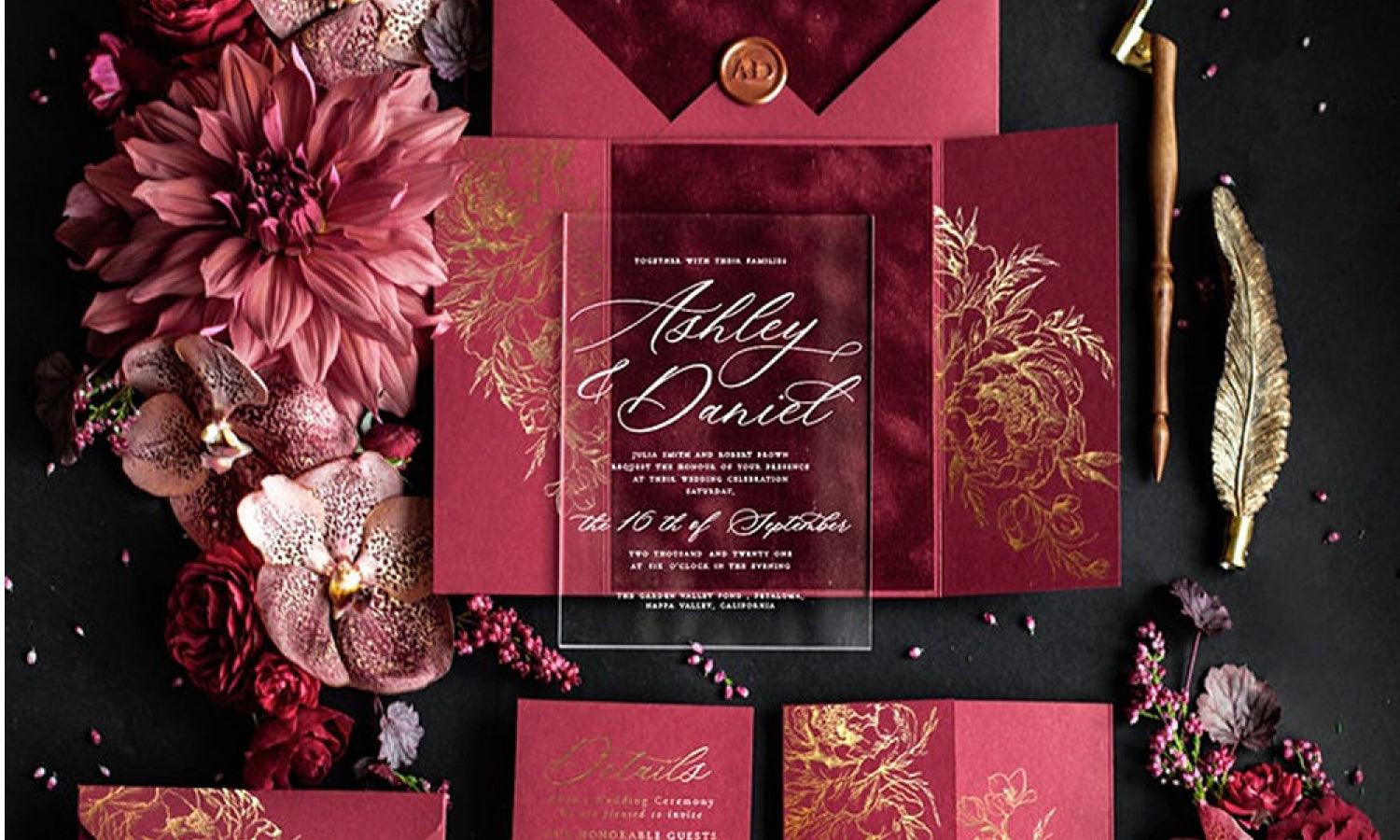
| Velvet or Suede Layering | Luxury, warmth, intimacy |
| Translucent Vellum | Mystery, elegance, anticipation |
| Acrylic or Metal Engraving | Innovation, boldness, extravagance |
| Letterpress & Foil | Status, formality, ceremonial tone |
The more textural depth, the more value guests assign to the event before it begins.
The Weight Factor
Heavier invitations — both physically and visually — suggest:
-
More effort has been invested
-
The event has gravity and significance
-
Guests are expected to attend
Subconsciously, weight correlates with importance.
Design Voice: Visual Cues That Signal Prestige
Design choices form a silent narrative about the event’s identity. Prestige is communicated through restraint and intentional contrast, not excess.
Core Design Elements That Influence Perception
-
Color Palette: Jewel tones, muted neutrals, or deep blacks often communicate sophistication.
-
Typography: Serif fonts convey tradition; modern sans-serif conveys contemporary exclusivity.
-
Negative Space: Luxury design allows “breathing room” — cramped text feels inexpensive.
-
Symmetry and Alignment: Precision equals professionalism and high value.
Symbolism Matters
Crests, monograms, motifs, florals, or abstract iconography can reference:
-
Family heritage
-
Organizational lineage
-
Cultural tradition
-
The theme’s emotional character
Symbolism is more powerful when it is subtle, not loud.
The Narrative Layer: Words That Create Emotional Texture
Language in luxury invitations is not simply informative; it is performative. The wording tells guests how to feel.
Advanced Language Techniques
-
Use intentional tone: Formal, poetic, mysterious, or confident.
-
Avoid filler language: Every sentence should serve tone and clarity.
-
Establish role-relational dynamics: Who is hosting and why it matters.
Example difference:
Generic: You are invited to our annual gala.
Luxury psychological framing: Your presence is requested for an evening curated in celebration of artistry, community, and shared legacy.
The second version builds meaning, depth, and emotional resonance.
Delivery Strategy: How Invitations Arrive Shapes Reaction
The delivery format signals urgency, exclusivity, and seriousness.
Strategic Distribution Formats
-
Hand-delivered invitations create intimacy and prestige.
-
Boxed invitations imply a multi-sensory event experience.
-
Digital invitations for VIP segmentation allow tiered messaging.
-
Courier service delivery signals discretion and high-level importance.
Guests interpret effort as value.
Sensory and Multi-Sensory Invitations: The Next Level of Impact
Luxury events increasingly integrate sensory design:
-
Scented paper connected to the event’s signature fragrance
-
Textured embossing that encourages tactile interaction
-
Sound-triggered video invitations that play music or narrative voiceover
-
Augmented reality reveals that preview the venue or theme
These approaches deepen emotional engagement and create anticipatory memory.
Invitation Etiquette as a Status Strategy
Luxury invitations are also about social choreography.
Timing and RSVP Management
-
Early invitations signal high planning and expected attendance priority.
-
Limited RSVP windows create urgency.
-
Personalized follow-ups reinforce exclusivity.
Name Personalization
Guests are more likely to attend when they feel seen.
Personalization can include:
-
Custom monograms
-
Handwritten addressing
-
Tiered message variations based on guest category
Subtle adjustments communicate care and hierarchy respectfully.
The Hidden Influence of Invitations on Guest Behavior
When executed correctly, invitations influence:
-
Dress choices
-
Behavioral expectations
-
Conversation tone
-
Social positioning in the room
Guests read visual and linguistic cues and adjust themselves accordingly. This is why luxury invitation design is a critical part of event success — it shapes the entire social atmosphere in advance.
FAQs
1. How early should luxury event invitations be sent?
Typically 6–10 weeks before the event, depending on guest travel expectations and formality level.
2. What is the biggest mistake in designing premium invitations?
Over-designing. Luxury is communicated through restraint, clarity, and precision.
3. Should digital invitations be used for high-end events?
Yes, when used strategically — ideally for segmented communication tiers or pre-event scheduling confirmations.
4. How important is typography in luxury invitations?
Extremely. Typography sets the emotional tone and indicates formality or cultural context subtly but powerfully.
5. Is it necessary to personalize each invitation?
Personalization significantly increases perceived value and RSVP likelihood, especially for smaller curated events.
6. How should follow-up reminders be handled?
Use discreet, respectful follow-ups — ideally personalized and aligned in tone with the original invitation.
7. Can sensory elements ever feel excessive?
Yes. Sensory additions should enhance emotional atmosphere, not distract from message clarity.

Comments are closed.